
An Interview with our 2025 Volunteer of the Year
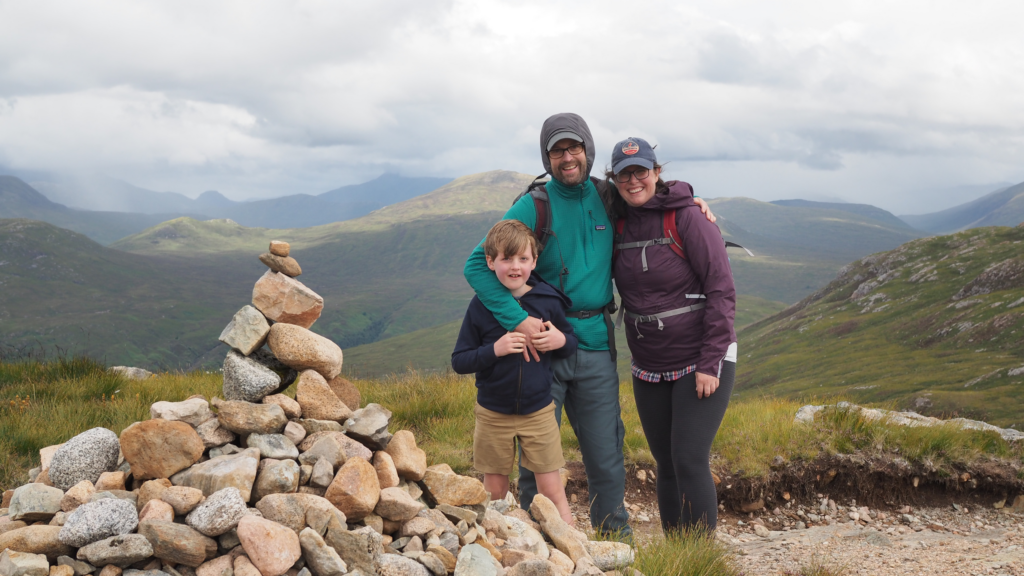
By Rachael Katz
The following is an interview with our Volunteer of the Year Rachael Katz. As a volunteer on the Warm Line, she is often one of the first compassionate voices a parent hears when they’re struggling. In our conversation, she described how even a single call can become a turning point—“the first accessible step someone can take to feel better.” Many parents, she shared, don’t feel able to be honest with family or friends, and some are navigating challenges within their own home. In those moments, peer support isn’t just helpful—it’s a lifeline.
Our Warm Line Manager says of Rachael:
”Rachael has been a volunteer with the Warm Line for over 3 years, and from the beginning has been a standout volunteer in the way she shows up to support parents calling the Warm Line. Rachael is skilled at holding space for parents to say all the hard things that need saying. She leaves no stone unturned in her search for resources and has served many Warm Line parents well beyond our week-long regular service because they feel so seen and supported by her. For example, in our user survey, one parent responded that she felt very well looked after during what felt like a crisis and was very grateful for the support! Rachael can make connections with callers over the phone, which is no easy feat. With her calming voice, words, presence, and ability to provide validation and education about the struggles of the perinatal period, Rachael has a real skill set for helping parents feel at ease so they can explore their feelings, cry, grieve, and come to acceptance. Thank you, Rachael, for all you have given to the Warm Line and the parents you have supported over the years! We appreciate you so much!”
“Rachael was amazing and so helpful. The Warm Line was a life changing resource and I will recommend it whenever I can.” -Warm Line caller
- How were you first introduced to the Warm Line?
At the beginning of 2022 I went through a big career shift where I left environmental consulting and wanted to find work that felt more personal and interactive. Long story short, I decided to become a doula to work with families. And I started as a postpartum doula because of my own rough transition, and I knew how much I would have benefited from that type of support. One of my early coffee dates with a current doula to learn everything they had to share was with someone who had volunteered on the Warm Line. So, they talked about that experience and suggested that, given my history, I look into the volunteer training opportunity. It was incredibly serendipitous timing and fit right into how I wanted to help others.
- What have you gained working on the Warm Line?
It’s hard to put this into words—but here goes! I never knew I had the capacity to help people in the way the Warm Line lets me experience. It is peer support, and that’s from having gone through my own issues, but at the same time, everyone’s situation and particular challenge is so unique. In that sense, I’m not always a precise peer, and yet there’s always a way to connect with someone who’s going through a very raw and often overwhelming moment in their life. And that’s what most callers are looking for—human connection and understanding, with practical support to find more resources that will help them feel better again. I feel really grateful to play that role for someone. It’s meaningful and rewarding.
- Do you have any overarching advice for a person experiencing a Perinatal Mood and/or Anxiety Disorder, emotional issue, or loss?
Aside from calling the Warm Line, try to find any moment each day when you can purposefully show yourself compassion and let yourself be not OK, with acceptance. Easier said than done, I know. Sometimes we get into a spiral of criticizing ourselves for feeling the “wrong” way or not being able to “snap out of it,” or taking “too long” to recover. It’s different for everyone, but even with help and support, it takes what it takes, time-wise, for you to gradually feel more like yourself again. And to accept that you may feel like a different person than before the PMAD or other emotional issue or loss.
- What does a call on the Warm Line often look like when speaking with a parent?
It does vary a lot by circumstance for the parent, but I generally start by asking them to share a little bit about what’s been happening lately. People then usually start to describe what they’ve gone through, whether it’s a traumatic event or an ongoing emotional struggle. I try to use all the active listening skills we learn from PS-WA and reflect back to the parent what I hear them saying. I ask short follow-up questions, and we just have a conversation. Sometimes it’s on the shorter side if they call in knowing they want a specific kind of help and simply want support with figuring out the logistics, like identifying an available therapist. Or we may talk for closer to an hour if things are a little fuzzier, or I may be the first person they’ve been able to tell how they’re actually feeling.
- What role have you seen peer support play?
I’ve seen it serve as a turning point, where this is the first accessible step someone can take to feel better. It does come up often that they don’t feel able to be honest with family or friends, or that there’s someone at home who may be part of the problem. That makes peer support a real lifeline.