
Stephiney’s Story: Strength Wasn’t Enough
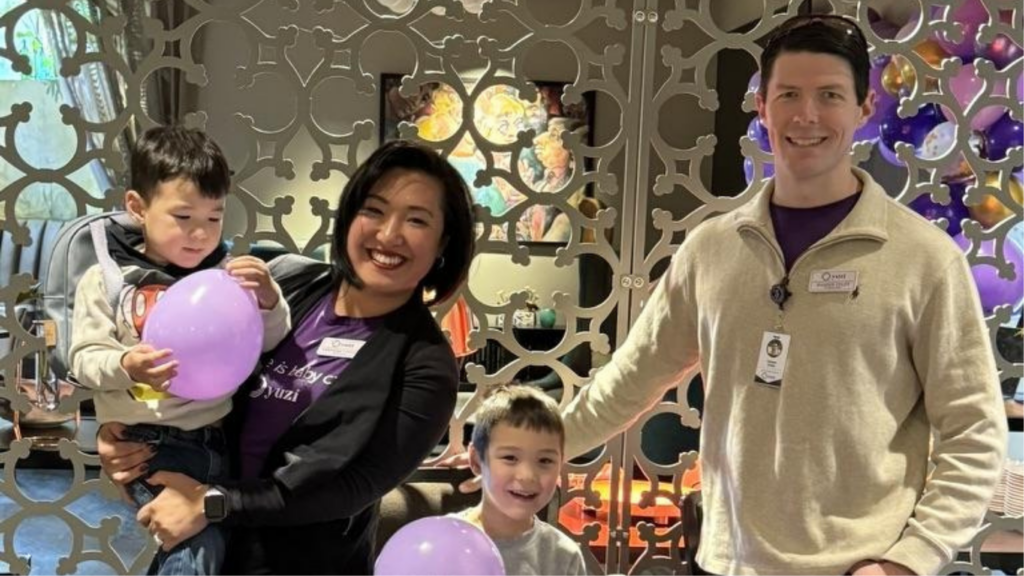
By Stephiney Foley
I was trained to be strong.
As a graduate of West Point and a combat veteran, I learned how to lead under pressure, push through pain, and carry more than most people ever should. Strength was the expectation. Strength was survival. So when I became a mother, I assumed I would approach it the same way.
But postpartum was different.
After I gave birth, I found myself alone in a way I had never experienced before. Not physically alone—but emotionally, mentally, and systemically unsupported. I had just gone through one of the most intense experiences a human body can endure, and yet within 24–48 hours, I was sent home with a few pamphlets and a six-week follow-up appointment. No roadmap. No real support. Just the expectation to figure it out.
And I couldn’t.
I struggled with postpartum depression. I remember moments of sitting in my car, crying, wondering why something that was supposed to be so joyful felt so overwhelming and isolating. As someone who had led soldiers in combat, this was the first time I felt completely unequipped. Not because I wasn’t strong—but because I wasn’t supported.
What I realized is this: strength is not the problem. The system is.
In the military, we never send someone into high-stakes situations without a team, a plan, and ongoing support. But that’s exactly what we do to mothers every single day. We expect them to recover, to nurture, to function—without building the infrastructure around them to succeed.
That realization didn’t just change me—it gave me a mission.
I founded Yuzi Care to help build the modern-day village every family deserves. And it’s also why I chose to serve on the board of Perinatal Support Washington—to advocate for mothers beyond my own company and to help ensure that no parent has to navigate postpartum mental health challenges alone.
If this story resonates with you, I ask you to help us build that village. Your support helps ensure that more mothers are seen, supported, and cared for—not just in words, but in action.
Because mothers matter. And how we care for them defines who we are as a society.